Does Botox really “freeze” your face, and what does it actually do under the skin? I hear these questions every week in clinic, often from smart, skeptical people who want clear answers before they commit. This guide distills years of hands-on experience, scientific context, and the kind of practical advice I share during consultations. If you like specifics, you’ll find them here.
What Botox is, and what it is not
Botox is a brand name for onabotulinumtoxinA, a purified neurotoxin protein produced by Clostridium botulinum. In tiny, measured doses, it softens targeted muscle activity by interrupting the chemical signal between nerves and muscle fibers. It does not fill hollows the way hyaluronic acid fillers do, and it does not lift tissue like surgery. Think of it as a dimmer for certain expressions that etch lines over time.
Botox Cosmetic refers to elective aesthetic uses such as glabellar frown lines, forehead lines, and crow’s feet. “Medical” Botox includes FDA approved indications like chronic migraine, cervical dystonia, spasticity, overactive bladder, and axillary hyperhidrosis. The vial contains the same active drug; the difference lies in intent, dosing, and injection mapping.
A quick tour through the history
The story starts with foodborne botulism described in the 19th century, then leaps to the 1970s when ophthalmologist Dr. Alan Scott explored botulinum toxin to treat strabismus. The ophthalmic success led to more studies in neurology and oculoplastic settings. In the 1990s, physicians noticed an aesthetic side effect: smoother frown lines in migraine and blepharospasm patients. By 2002, the FDA approved Botox Cosmetic for glabellar lines. Since then, labeled uses expanded to crow’s feet and forehead lines cosmetically, and multiple medical indications. Off label uses also matured, guided by anatomy and data rather than marketing.
How Botox is made today follows tight pharmaceutical protocols. The bacterial toxin undergoes purification, formulation with human albumin and sodium chloride, lyophilization, and sterile packaging. Every lot goes through potency testing measured in mouse units, then clinics reconstitute the powder with saline before injection. The product is precise and standardized, which is why technique rather than the bottle is the variable that most shapes outcomes.
How the drug works at the microscopic level
Botox mechanism of action is elegantly simple. At the nerve terminal, acetylcholine is the messenger that triggers muscles to contract. Botox cleaves SNAP-25, a protein in the SNARE complex responsible for acetylcholine release. No acetylcholine, no contraction. The effect is local and temporary as nerve terminals sprout new synaptic connections over weeks to months.
This is why Botox and nerves get discussed together: we are modulating neuromuscular signaling, not removing or damaging muscle tissue. When dosed and placed correctly, it reduces the peak contraction of specific fibers while leaving adjacent muscles to animate the face. The end result is softened dynamic lines without a waxy finish when the plan aligns with your anatomy.
Cosmetic vs medical: where the FDA draws the line
The FDA approved uses of Botox Cosmetic in aesthetics include moderate to severe glabellar lines, crow’s feet, and forehead lines. Medical approvals include chronic migraine prevention, cervical dystonia, spasticity, axillary hyperhidrosis, and others. Physicians also use off label Botox uses backed by varying degrees of evidence: jaw slimming via masseter reduction, gummy smile, platysmal band softening, chin dimpling, bunny lines, downturned mouth corners, and even nasal tip depression. Off label is not code for sloppy; it means the use is not included in the package insert, yet is common practice when supported by anatomy, publications, and informed consent.
What it actually does to your face and skin
Botox affects muscles by lessening the strength of contraction. Over time, repetitive folds fade. That is the obvious part. The subtler effects relate to skin behavior. By reducing mechanical stress, collagen breakdown slows. Some patients notice improved skin texture over multiple cycles. The so-called Botox glow is not a clinical term, but the smoother light reflection on a relaxed forehead is real. The botox pore size myth deserves clarity: Botox does not directly shrink pores, yet oil regulation and micro-movement changes can make pores appear less obvious in treated zones. These improvements are modest and depend on your baseline skin quality and skincare routine.
Preventive aging, or starting before lines set in
Botox and aging intersect at the crease level. Habitual frowners can tattoo lines into the dermis by their mid-thirties. Preventive Botox aims to dial down high-intensity movements before those lines become etched at rest. The right time is not a birthday; it is when you see lines hold for minutes after an expression. For some, that is late twenties, for others mid-thirties or later. Light, targeted doses spaced further apart can be enough to break the habit circuits without dulling expressions.
Planning treatment like a pro
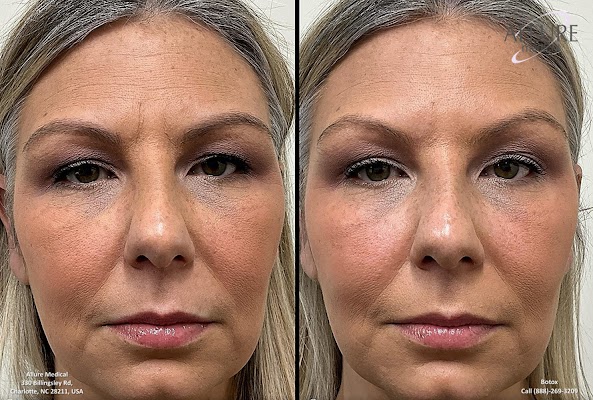
Good outcomes start with a facial assessment for Botox. I watch you talk, smile, and frown, then palpate muscle bulk, asymmetries, brow position, and eyelid platform. I ask what you notice in photos, then I match your goals to what Botox can and cannot do. Full face Botox is not a single recipe. Upper face Botox focuses on the glabella, forehead, and lateral canthus. Lower face Botox, when needed, may address the DAO muscles that pull mouth corners down, mentalis for pebbling, masseters for face slimming, and platysma bands in the neck. I do not use Botox for nasolabial folds; that remains a myth. Folds there are better addressed with volume strategies and skin quality work.
Technique differences matter. A crisp brow line may require micro-doses along the lateral frontalis while avoiding the tail to prevent brow drop. A gummy smile fix at the levator labii superioris alaeque nasi needs precision near the alar base to avoid a flat smile. Masseter reduction demands conservative dosing on the first pass with re-evaluation at 8 to 12 weeks, especially in people who chew gum or lift heavy.
How long it lasts, and what influences that clock
Most people feel onset at day 3 to 5, peak at week 2, and wear off between weeks 10 and 16. That range reflects your metabolism, the size of the muscle, dose, and how expressive you are. Athletes who grind teeth or instructors who speak and emote for hours (actors, teachers, trial attorneys) often see shorter durations in the lower face. Botox and fitness do not cancel each other, but frequent high-intensity workouts may correlate with faster turnover. Stress and sleep also play roles; cortisol, jaw clenching, and restless nights will fight your glabella and masseter outcomes. Hormonal shifts, including during perimenopause and menopause, can alter muscle tone and water balance, which sometimes changes how a familiar dose performs.
To extend longevity, we can map dosing to your expression patterns, layer medical grade skincare, and manage triggers like bruxism. Some patients alternate standard intervals with a “booster” at 8 to 10 weeks to keep results steady for a wedding season or on-camera project.
Safety, contraindications, and special populations
The safety profile is strong when performed by trained injectors. Common effects include pinpoint bruising and a mild ache that fades in hours. Temporary headaches after the first treatment occur in a minority. Heavy eyelids or brow ptosis generally reflect dose or placement issues, often resolving within weeks as neighboring units wane.
Absolute contraindications include known allergy to components and active infection at the injection site. I screen for neuromuscular disorders such as myasthenia gravis or Lambert-Eaton, and I take extra care with peripheral neuropathies. Medications to avoid before Botox focus on bleeding risk and bruising. Blood thinners and Botox can coexist when managed, but I coordinate with prescribing physicians rather than making unilateral changes. Non-prescription agents matter as well. Aspirin, ibuprofen, fish oil, high-dose vitamin E, ginkgo, and some turmeric supplements can increase bruising. If you take aspirin for cardiovascular reasons, do not stop it without clearance. For others, we often pause non-essential supplements for a week.
Pregnancy and breastfeeding are different. Botox during pregnancy safety has not been established. I do not inject during pregnancy or while breastfeeding. The theoretical risk may be low due to local action, but ethics and data gaps point toward waiting.
Autoimmune conditions and Botox require nuance. Many patients with well-controlled autoimmune disease do fine, but I coordinate with their specialist. The same goes for a history of Bell’s palsy or other neurological disorders. It is less about a blanket yes or no and more about timing, dosing, and medical oversight.
Skin care and lifestyle that make results better
Botox is not a substitute for sunscreen or retinoids. Botox skincare routine planning is straightforward: daily SPF 30 or higher, vitamin C in the morning, a retinoid at night if tolerated, and steady moisturization to support barrier function. Best skincare after Botox is gentle for the first day, then back to actives once any pinprick sites settle, usually within 24 hours. Sunscreen after Botox is non-negotiable. UV accelerates collagen breakdown, which shrinks your return on investment. Botox and sun exposure on the same day is fine if you are not sunburned, but avoid saunas or tanning beds for 24 hours. Botox and tanning do not mix well for skin health in general.
Post-care is simple: no rubbing or massaging the treated areas for the rest of the day, no strenuous exercise for about 6 hours, and avoid face-down massages for 24 hours to minimize product spread. I advise patients to avoid tight headbands or hats pressing on the brow right after treatment.
Travel, pressure changes, and timing around events
Flying after Botox is okay once the injection sites close, typically within a few hours. There is no credible evidence that cabin pressure or altitude changes alter diffusion. Still, if you bruise easily, plan treatment at least 2 weeks before a photographed event. That window covers peak effect and gives time for any minor tweaks. If you have back-to-back engagements, we can titrate smaller doses earlier, then refine 10 to 14 days later. For scuba diving or high-altitude hiking, I use the same guidance: timing matters less than healing, but allow a day to avoid rubbing from masks or straps over injection zones.
Botox seasonal timing can be practical. Winter offers easier sun avoidance and fewer outdoor sweat sessions, which some patients find helpful for bruising and longevity. Summer schedules are busier, so book early enough to capture full effect before weddings or photoshoots. For public speaking, interviews, and on-camera work, schedule with a 2 to 3 week buffer. Actors often prefer softer dosing patterns to keep micro-expressions for close-ups, balanced against the demands of lighting that accentuates lines.
The emotional side: confidence and perception
The psychological effects of Botox vary. I have watched a deep frown line that no longer telegraphs fatigue change how a client is received in meetings. People feel that their outside matches their energy again. That botox confidence boost is real, but it is not a cure for self esteem. Healthy expectations matter. If someone arrives with the belief that smoother lines will fix a relationship or job, I slow the process and encourage broader support. On stigma, opinions differ by region and industry. The social perception of Botox has shifted toward “maintenance” rather than “makeover,” yet overdone faces still fuel misconceptions. When treatments respect anatomy and proportion, friends often notice you look rested without naming the cause.
Picking the right provider and asking the right questions
Injector qualifications come up a lot. Nurse vs doctor Botox debates miss the point that training, supervision, and experience outweigh letters alone. I have worked with nurses, physician assistants, and physicians who are meticulous and talented. What you want is someone who understands facial anatomy, maps a plan to your face rather than a template, and shows a track record of safe, natural results.
Here is a short checklist you can bring to a consult:
- How many Botox treatments do you perform each week, and in which areas do you specialize? Can you explain your approach to my brow position and forehead lines, and how you will avoid heavy lids? What is your plan for asymmetries I have now, and how will we adjust at follow-up? What side effects should I expect, and how do you manage complications like brow ptosis? If I am not satisfied at two weeks, what is your policy on refinements and additional units?
Those five questions reveal a lot about communication, safety mindset, and technique.
Red flags that deserve a pause
Discounts that drive the price below the cost of the product, vials not mixed in front of you when appropriate, lack of a medical intake or consent, and promises of permanent results are warning signs. So are clinics that push Botox for nasolabial folds or claim it can “lift” the whole face in one sitting without discussing limitations. Photos that show only filtered, washed-out foreheads instead of varied expressions are not helpful for judging outcomes.
What happens at your first appointment
A good consult starts with a detailed medical history and medication list. We discuss your goals, then I map injection points with you in a mirror, marking where and why. I count units rather than “areas” so you understand the dose and cost. For a standard glabella-crow’s-feet-forehead pattern, total units often range from 40 to 64 depending on muscle strength and desired motion. The injections take 5 to 10 minutes. Most feel like quick pinches. I apply pressure if a tiny vessel is nicked. Makeup can go back on after a few hours once the skin closes.
You will not look different when you walk out. Onset builds over days. I book a two-week review, not to sell you more, but to check symmetry and function. Small top-ups at that point fine-tune your result and teach me about your responsiveness so the next session begins closer to perfect.
Managing bruising and healing
Bruising prevention begins before the appointment. Skip non-essential blood thinners as discussed. Arrive well hydrated. After treatment, ice intermittently for a few minutes if you see a spot forming. Arnica can help some, though the evidence is mixed. Sleep with your head slightly elevated if you tend to swell. If a bruise does appear, it is cosmetic rather than dangerous and fades within days. Green-tinted concealer neutralizes purple tones until it resolves.
Making results last and look natural for years
Long-term Botox planning balances maintenance with expression. I prefer to treat at the point of noticeable return of movement rather than on a rigid calendar. Some patients hold 4 months reliably, others closer to 3. Rotating micro-doses in satellite points can keep animation natural while protecting skin quality. If a line persists at rest despite good control of motion, we layer treatments: microneedling or fractional lasers to remodel collagen, a fine filler to lift a crease, and steady sun protection to slow new damage. Botox is a pillar of an anti aging strategy when combined with lifestyle.
Exercise, diet, and stress matter. If you grind your teeth, a night guard protects teeth and preserves masseter results. If work stress spikes frowning, consider small glabellar doses even when the forehead is left more mobile. If menopause shifts your skin, we revisit skincare, hydration, and possibly adjust intervals.
Uncommon questions I hear often
Can Botox migrate far from where it is injected? With correct technique and standard dilution, diffusion stays local within a centimeter or two. Gentle daily activities do not push it elsewhere.
Does metabolism “get used to” Botox? Antibody formation is rare at cosmetic doses, especially when intervals are reasonable and doses are not excessive. If duration shortens, we look first at stress, muscle activity, and map.
Can it lift the brow? Carefully placed injections can allow the brow elevator to work unopposed in targeted zones, giving a modest lift of a few millimeters. That is not a surgical brow lift, and overtreatment can flatten the effect or cause heaviness.

Will it thin my muscles permanently? Over years, frequently treated muscles may become slightly smaller. That is the point in areas like the masseter for jaw slimming. Most facial expression muscles remain functional, and spacing treatments avoids an over-soft look.
What about pore size and oil? Your pores are anatomical structures. Botox does not close them like a door. In the forehead, some patients report less shine due to changes in movement and possible indirect effects on sweat, but expectations should stay measured.
Botox for professionals and performers
Actors often ask for customized facial Botox that allows them to emote under harsh lighting. The balance is in selective dosing, split sessions, and camera tests. Public speakers want to avoid a stern resting frown that miscommunicates. Professionals in client-facing roles aim for a rested look that holds up under stress. The common thread is intentional dosing that fits the job, not a blanket freeze.
The artistry you cannot see, but you can feel
Technique differences are the botox NC quiet lever of great results. Angle of entry, depth relative to muscle layers, and respect for anatomic danger zones separate a fresh look from a heavy one. An injector who watches your forehead lift pattern while you speak will place frontalis units differently than one who follows a dot diagram. The best plans evolve. Your face, your habits, and your calendar guide the map.
Final notes before you book
If you are considering Botox before a wedding, photoshoot, or major interview, secure your timeline. Two to three weeks for onset and refinements is the sweet spot. If you are on aspirin for your heart, check with your doctor before altering anything. If you are pregnant or breastfeeding, wait. If you have a complex medical history, bring it all to the consult, not just the highlights. And if anything feels rushed or vague at a clinic, trust that feeling and keep looking.
Botox can be a subtle tool for aging well, smoothing the lines that misrepresent how you feel, and, when mapped thoughtfully, supporting skin quality over the long term. The science is clear, the artistry is learned, and your goals set the direction.